A growing number of foreigners are visiting China for the “China haul”, filling their suitcases with Chinese products before heading home. Underpinning the phenomenon is the growing appreciation of the quality and modern appeal of Chinese brands often highlighted on social media and shopping platforms. To them shopping in China is not just about getting something cheaper, but about having access to a much wider variety of products and experiencing the trends and lifestyle of the country directly. The appeal of homegrown Chinese brands among overseas shoppers is increasingly visible in Shanghai. Foreign customers accounted for about 35% of sales at footwear brand Pane’s two Shanghai stores.
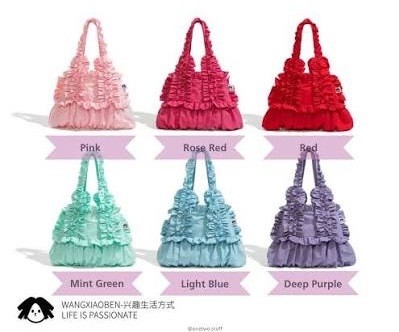
Overseas shoppers accounted for around 30% of sales at Wangxiaoben’s Shanghai stores. Wang Xianming, Founder of Wangxiaoben, a Chinese lifestyle brand known for its bags, said the appeal lies in the happiness their products bring shoppers. When he established the brand in 2016, he started with socks, hoping to turn a basic necessity into an accessory that could lift people’s mood. “I wanted socks to be more than just something people wear. They could also complement an outfit, express a sense of style and bring a little happiness to everyday life, even if only for 15 seconds,” Wang said. In 2024, Wangxiaoben began making what Wang calls “dopamine” bags, which have since become its main product category. The brand’s product range also includes hats, socks and pet accessories. Wang first noticed an increase in foreign customers in 2024, particularly visitors from Southeast Asia and Russia shopping at the company’s store in Shanghai’s Super Brand Mall. In September 2025 it opened a store at Shanghai Joy City and noticed South Korean and American bloggers sharing content about its products. “Online platforms in Thailand and Russia began working with us, making our products available to new consumers,” said Wang of the overseas bloggers’ brand promotions.
One South Korean blogger, for example, posted a video of the brand’s Shanghai store this summer, prompting numerous inquiries from her followers. She subsequently bought more than 100 bags for followers and friends during her stay in the city. Customers from Southeast Asia tend to prefer lower-priced bags, while those from Japan and South Korea seem to care less about prices. The brand’s overseas customers also span a wider age range than its younger Chinese shoppers. Wangxiaoben has around 120 stores nationwide, mainly in tourist destinations and major cities such as Shanghai, Hangzhou, Nanjing in Jiangsu province, and Chengdu in Sichuan province. It has registered its trademarks overseas and plans to expand gradually into international markets through social media promotion, while exploring complementary products around the lifestyle concept behind its “dopamine” range.
Beyond individual shopping experiences, broader consumer perceptions of Chinese brands are evolving. According to Ipsos’ 2025 Global Trust Index for Chinese Brands, the global net trust score for Chinese brands rose by 12 percentage points from the previous year to 32%, while the proportion of consumers in developed markets who expressed trust in Chinese brands reached 36%.
Guo Xiaoling, Professor of Marketing at the Business School of the University of International Business and Economics in Beijing, said Chinese brands must win acceptance, trust and even become aspirational for consumers in developed markets to command a price premium. “In the early 2000s, when China joined the World Trade Organization (WTO), ‘Made in China’ was often associated with low prices and value for money, targeting lower-end market segments rather than mainstream markets. Over the past two decades, China has made significant progress in the transition from Chinese products to Chinese brands,” said Guo. Overseas perceptions of Chinese brands have been shaped by China’s growing national strength and cultural influence, breakthroughs in artificial intelligence (AI) and new energy vehicles (NEVs), as well as improvements in innovation, design, quality and sustainability, she said. Citing Bain & Company’s 2025 China Personal Luxury Report, Guo pointed to homegrown high-end brands such as fashion label Icicle, jewelry brand Laopu Gold, fragrance brand Documents and handbag maker Songmont. “Brand craftsmanship, storytelling and interactions with potential consumers on social media now play a major role in stimulating consumer interest and desire,” said Guo. At Songmont’s flagship store at Indigo shopping mall in Beijing, she met young foreign consumers who had come specifically to shop and learned they had discovered the brand through social media, the China Daily reports.